

Sustainability · 2025
In this section49 topics
- Sustainability Policy3 items
- Sustainability Goals & UN SDGs3 items
- Policy Review3 items
- Business Value Chain1 item
- Stakeholder Analysis1 item
- Environmental Policy & Guidelines3 items
- Environmental Policy Review3 items
- Energy — Plan & Guidelines2 items
- Energy — Electricity Consumption1 item
- Energy — Fuel Consumption1 item
- Energy — Targets2 items
- Energy — Performance & Outcomes2 items
- Water — Plan & Guidelines2 items
- Water — Withdrawal, Discharge & Consumption1 item
- Water — Targets2 items
- Water — Performance & Outcomes2 items
- Waste — Plan & Guidelines2 items
- Waste — Generation, Disposal & Recycling1 item
- Waste — Targets2 items
- Waste — Performance & Outcomes2 items
- GHG — Plan & Guidelines2 items
- GHG — Emissions1 item
- GHG — Emissions Verification1 item
- GHG — Principles & Standards1 item
- GHG — Targets1 item
- GHG — Performance & Outcomes2 items
- Environmental Legal Incidents1 item
- Other Environmental Management1 item
- Social Policy & Guidelines3 items
- Social Policy Review1 item
- Social — Principles & Standards Practised1 item
- Human Rights Due Diligence2 items
- Employees — Plan & Guidelines3 items
- Employees — Workforce2 items
- Employees — Remuneration & Provident Fund1 item
- Employees — Training & Development1 item
- Employees — Occupational Health & Safety1 item
- Employees — Labour Relations1 item
- Employees — Employee Representation2 items
- Employees — Targets2 items
- Employees — Performance & Outcomes2 items
- Customers — Plan & Guidelines3 items
- Customers — Satisfaction Results1 item
- Customers — Targets1 item
- Customers — Performance & Outcomes2 items
- Community & Social — Plan & Guidelines3 items
- Community & Social — Targets1 item
- Community & Social — Performance & Outcomes2 items
- Law Violation Incidents1 item
Sustainability Policy
Has a Sustainability Policy
Yes
Policy Description
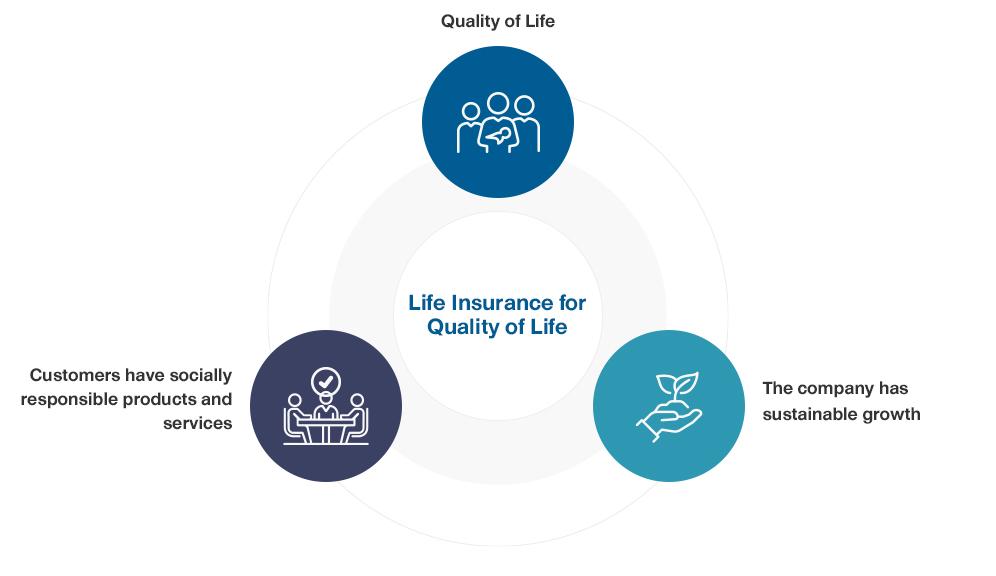
Enhancing Social Stability to Lead to a Sustainably Growing Organization
The Company has applied the economic, social and environmental dimensions based on good corporate governance as part of the organization development, which focuses on business development with new partners, both directly related to life insurance business and with connections to the value chain, in order to increase the Company's potentials and can deliver value through products and services to Thai customers and society. Additionally, this can strengthen the Company in the midst of arising challenges in order to favor and flourish with stakeholders.
Policy Document Link
https://www.thairelife.co.th/en/sd-business.php
Sustainability Goals & UN SDGs
Has Sustainability Goals
Yes
Goals Description
"Sustainability" It is one of the visions of Thaire Life Assurance's business operations. It is a concept that supports expanding positive impacts through creating value for stakeholders. It is a guideline for various operations that helps develop and create products and services under a strategy is 4Es: Engage, Establish, Empower and Educate To have a positive impact To the economy, society and the life insurance system of the people in the country.
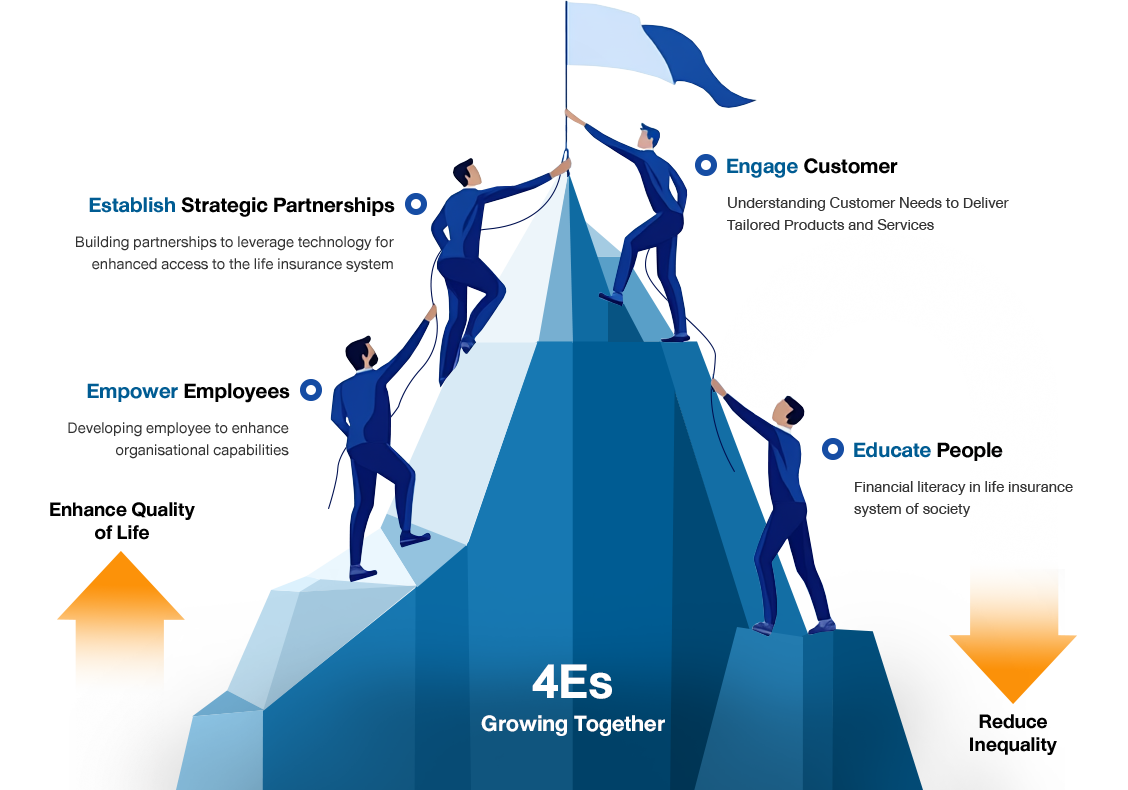
With a commitment to sustainable development and business operations in line with the Company’s vision and strategy, the Company has established a sustainability framework to drive sustainable development in accordance with its vision. This framework is also aligned with the United Nations Sustainable Development Goals (SDGs) across 7 goals, as follows.
UN Sustainable Development Goals
| SDG Goal |
|---|
| Goal 3 Good Health and Well-being |
| Goal 4 Quality Education |
| Goal 5 Gender Equality |
| Goal 8 Decent Work and Economic Growth |
| Goal 10 Reduce Inequalities |
| Goal 13 Climate Action |
| Goal 16 Peace, Justice and Strong Institutions |
Policy Review
Policy Reviewed This Year
Yes
Policy Changed This Year
Yes
Review Details
The Company recognizes that its business operations throughout the value chain generate greenhouse gas emissions, which may contribute to negative impacts on climate change, the environment, and various stakeholders. In addition, climate change is a key factor contributing to increasingly severe weather patterns and a higher frequency of extreme weather events. These developments may alter patterns of population mortality and morbidity, as well as insurance claim rates, due to factors such as heatwaves, emerging diseases, and air pollution. Such factors may create both risks and opportunities for the Company’s operations in the long term.
In 2025, the Company reviewed its key material issues through the Materiality Matrix to ensure that it can effectively respond to and implement appropriate measures to address the impacts arising from Climate Change risks. This is undertaken alongside the management of greenhouse gas emissions in line with reduction targets, while maintaining strong operating performance and the Company’s ability to achieve sustainable business growth. For other material sustainability issues, the Company continues to implement and further enhance its management practices on an ongoing basis. The Company also aims to maintain its SET ESG Rating at the A Rating level. The announcement of the SET ESG Rating in 2025 will be the final year before the Stock Exchange of Thailand begins announcing ESG assessment results based on the international standard FTSE Russell ESG Scores starting from 2026 onwards.
To drive the Company’s strategies and targets into organization-wide implementation, the Company has adopted a management approach that outlines operational processes across various stages from product and service design, underwriting process, responses and adjustments in accordance with reinsurance policies, to the operational processes of various departments within the organization. Further details can be found in the respective sections of the Sustainability Report.
Business Value Chain
Value Chain Description
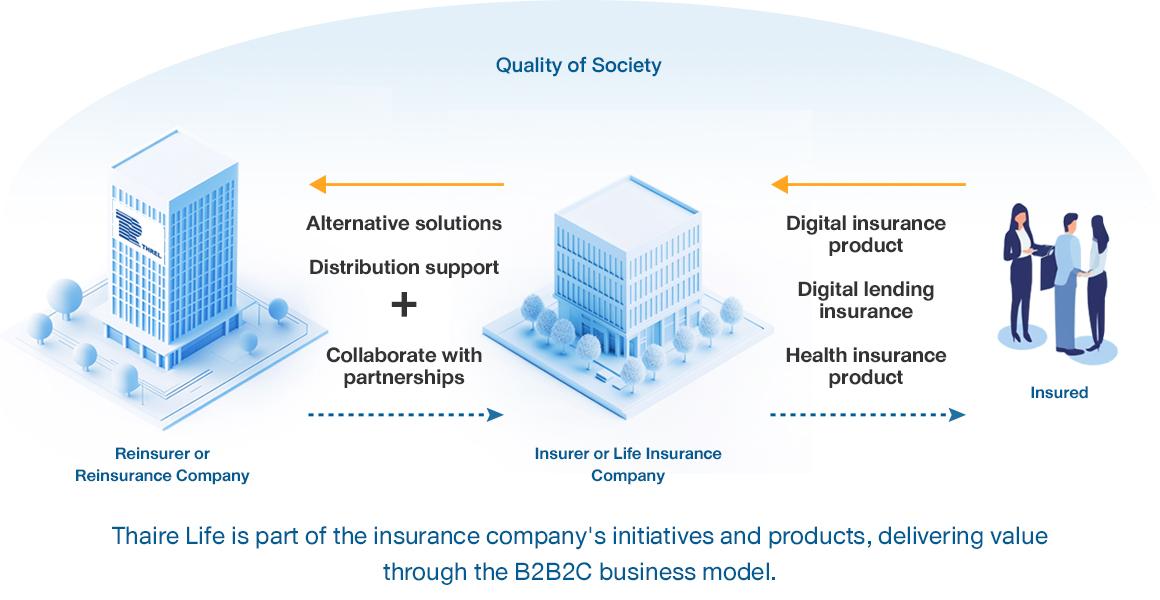
The Company engages in all types of life reinsurance business. Its operations serve as an important risk management mechanism for life insurance companies, enhancing their competitiveness and enabling the development of innovative products. In addition, the Company acts as a strategic partner that strengthens the capabilities of the insurance ecosystem, ultimately supporting the shared goal of sustainable business operations.
Stakeholder Analysis
Stakeholder Analysis
| Stakeholder Type | Stakeholders | Stakeholder Expectations | Response to Expectations | Communication Activities |
|---|---|---|---|---|
| External stakeholders | 2904 · Description: Investors or investment institutions · 2913 · Description: Shareholders | - Strong and sustainable financial performance.
- Transparent communication and reliable information disclosure.
- Good corporate governance and full compliance with applicable laws and regulations. | - Communicating strategic direction to build shareholders’ confidence through the Annual General Meeting (AGM).
- Providing regular disclosures to shareholders, investors, and analysts through Opportunity Day and Analyst Meetings. | 2941 · Description: Online Communication · 2944 · Description: Annual General Meeting (AGM) · 2949 · Other name: Analyst Meetings / Opportunity Day · Description: Others · 2949 · Other name: Coordination with the Investor Relations (IR). · Description: Others |
| Internal stakeholders | 2921 · Description: Employees | - Appropriate remuneration commensurate with roles and responsibilities
- Career growth opportunities and capability development
- Transparent recruitment and employment processes | - Building confidence in the Company’s operations
- Fair, accurate, and transparent performance evaluation processes
- Workforce readiness to support business competitiveness
- Transparent communication of employment terms, benefits, and company policies | 2941 · Description: Online Communication · 2945 · Description: Complaint Reception · 2946 · Description: Employee Engagement Survey · 2948 · Description: Training / Seminar · 2949 · Other name: Town Hall Meetings · Description: Others |
| External stakeholders | 2900 · Description: Business partners · 2923 · Description: Customers | - Develop high-quality products and services that create value for society and the economy for clients, who are life insurance companies both domestically and internationally.
- Provide data, knowledge, and insights that support product development.
- Develop the business and continuously enhance operational systems to remain modern and efficient. | - Engage with clients to listen to and respond to their needs, as well as address feedback and make improvements accordingly.
- Deliver high-quality products and services that meet clients’ requirements.
- Provide transparent and clear information while ensuring fair practices, and continuously develop operational systems to support useful information aligned with clients’ needs. | 2941 · Description: Online Communication · 2948 · Description: Training / Seminar · 2949 · Other name: Engage in meetings with clients (ceding company) and business partners to support their business operations and promote a clear and accurate understanding. · Description: Others |
| External stakeholders | 2894 · Description: Creditor · 2899 · Description: Suppliers | - Develop internal systems to support the Company’s future growth.
- Promote the sharing of knowledge and experiences among employees. | - Engage with suppliers to enhance operational systems and project efficiency.
- Seek opportunities for collaboration and mutual benefits with suppliers. | 2945 · Description: Complaint Reception · 2949 · Other name: Procurement and Contract Management · Description: Others |
| External stakeholders | 2931 · Description: Government agencies and Regulators | - Support the policies of regulatory authorities to maintain financial stability, liquidity, capital adequacy, and effective risk management in the business.
- Comply with policies, rules and regulations, and principles of good corporate governance, ensuring transparency and accountability. | - Conduct business with transparency and disclose accurate and complete information in compliance with applicable regulations.
- Provide consultation, opinions, and information on Thailand’s reinsurance sector to support the development of directions and policies related to reinsurance. | 2941 · Description: Online Communication · 2943 · Description: External Meeting · 2948 · Description: Training / Seminar · 2949 · Other name: Company's website · Description: Others |
| External stakeholders | 2902 · Description: Community · 2928 · Description: Society | - Support initiatives aimed at improving quality of life, such as activities promoting education, youth development, public health, and disaster relief assistance.
- Conduct activities with consideration for environmental impacts | Organize social initiatives through various projects aimed at improving quality of life and promoting environmental development, including:
- “ThaiRe Life Sharing, Fulfilling Dreams for Children” Project
- “ThaiRe Life One Gives, Many Receive” Project
- Participation in environmental conservation activities | 2940 · Description: Social Event · 2941 · Description: Online Communication · 2945 · Description: Complaint Reception |
Environmental Policy & Guidelines
Has an Environmental Policy
Yes
Policy Description
The Company is committed to conducting its business sustainably based on environmental responsibility. It recognizes the importance of minimizing environmental impacts that may arise from its business operations through the implementation of an effective environmental management system. To achieve this commitment, the Company has established an Environmental Policy based on the following key principles:
Strictly comply with relevant environmental laws, regulations, and standards.
Conduct business with due consideration for minimizing environmental impacts and recognize that the environment plays a vital role in the Company’s business value chain, for which the Company must demonstrate responsibility.
Place importance on efficient energy management by promoting the prudent use of energy in business operations to ensure optimal efficiency and maximum benefit, while demonstrating the Company’s responsibility toward society and the environment.
Emphasize effective water resource management to reduce the risk of water scarcity and ensure efficient wastewater and discharge management systems.
Implement systematic management of waste, residues, and pollution that may arise from business operations in accordance with the 3R principles (Reduce, Reuse, Recycle), including effective waste segregation practices.
Support energy conservation in both operational processes and the selection of energy-efficient and environmentally friendly electronic equipment.
Continuously develop, improve, and promote environmental management processes to mitigate negative environmental impacts, reduce waste and pollution, and encourage the efficient use of natural resources, while considering alternatives that minimize environmental damage in the utilization of natural resources.
Explore and implement approaches to help mitigate climate change impacts resulting from the organization’s energy consumption and related activities, both directly and indirectly. Examples include reducing energy consumption in business and supporting activities, promoting awareness of electricity and water conservation, reducing paper usage by transitioning to electronic documents, minimizing travel through the use of video conferencing, and encouraging the use of public transportation.
Respond promptly and effectively to environmental incidents that may arise from the Company’s operations, while fully cooperating with government authorities and relevant regulatory bodies.
Environmental Guidelines
| Guideline |
|---|
| Electricity Management |
| Water Management |
| Waste Management |
| Greenhouse Gas and Climate Change Management |
Environmental Policy Review
Policy Reviewed This Year
Yes
Review Details
In 2025, the Company is in the process of studying approaches to climate change management, which is considered a key issue. Climate change is a global challenge that may have wide-ranging impacts on the structure of economic activities and the financial system, the financial stability of financial institutions, and overall financial stability. In particular, the insurance sector may be affected, including impacts on life and health insurance, as well as the Company’s operations and investment activities. In addition, organizations are facing increasing expectations from stakeholders and growing pressure from emerging standards, laws, and regulations, such as the International Financial Reporting Standards (IFRS), Global Reporting Initiative (GRI), and the draft Thailand Climate Change Act, which is expected to come into force in the future. Nevertheless, the Company has strengthened the capabilities of its Risk Management, Actuarial, and Investment functions by providing training on Climate Scenario Analysis. This enables the Company to assess potential impacts on its business and to develop strategic plans to address various possible scenarios. Such initiatives also support the Company in enhancing its disclosures in line with IFRS S2 Climate-related Disclosures and FTSE Russell ESG Scores assessment under the Climate Change theme.
Policies & Guidelines Changed
| Change |
|---|
| Greenhouse Gas and Climate Change Management |
Energy — Plan & Guidelines
Has an Energy Management Plan
Yes
Plan Description
The Company recognizes the importance of efficient and responsible energy use to ensure that energy resources are utilized in the most beneficial and sustainable manner. The Company has therefore actively implemented various initiatives aimed at reducing energy consumption and promoting energy conservation in a concrete manner. In addition to helping reduce electricity costs, these initiatives also contribute to mitigating the impacts of climate change arising from the Company’s energy consumption, both directly and indirectly. Furthermore, the Company has adopted energy-efficient technologies and implemented energy conservation projects to enhance operational efficiency and minimize environmental impacts.
Energy — Electricity Consumption
Electricity Consumption
| Metric | Current Year | Previous Year | Two Years Ago | Remark |
|---|---|---|---|---|
| Total electricity consumption within the organization (Kilowatt-Hours) | 67,029 | 61,821 | 78,159 | |
| Electricity purchased for consumption from non-renewable energy sources (Kilowatt-Hours) | 67,029 | 61,821 | 78,159 | The data for 2024 covers the period from April to December 2024 (9 months), as the Company relocated its office during the year. |
| Electricity purchased or generated for consumption from renewable energy sources (Kilowatt-Hours) |
Energy — Fuel Consumption
Fuel Consumption
| Metric | Current Year | Previous Year | Two Years Ago |
|---|---|---|---|
| Jet fuel (Litres) | |||
| Diesel (Litres) | |||
| Gasoline (Litres) | 2,991.88 | 2,442.38 | 1,464.94 |
| Fuel oil (Litres) | |||
| Crude oil (Barrels) | |||
| Natural gas (Standard cubic feet) | |||
| LPG (Kilograms) | |||
| Steam (Metric tonnes) | |||
| Coal (Metric tonnes) |
Energy — Targets
Introduction
The Company has not yet established a formal target for electricity consumption management, as it recently relocated to a new office in April 2024. The Company is currently monitoring and collecting electricity consumption data to establish a baseline under the operating conditions of the new office. This baseline information will be used to support the evaluation and development of appropriate energy management targets in the future.
Has Set Targets
No
Energy — Performance & Outcomes
Has Performance Results
Yes
Performance Description
Although leased office premises have certain limitations regarding energy conservation measures, the Company has assigned the Office Administration Department, which is part of the Sustainability Working Committee, to drive initiatives related to reducing energy consumption and promoting energy conservation. The Company has implemented proactive measures to reduce energy usage within the office by adjusting the operating hours of the Air Handling Unit (AHU) air-conditioning system. The pilot implementation of this measure began on 1 November 2024.
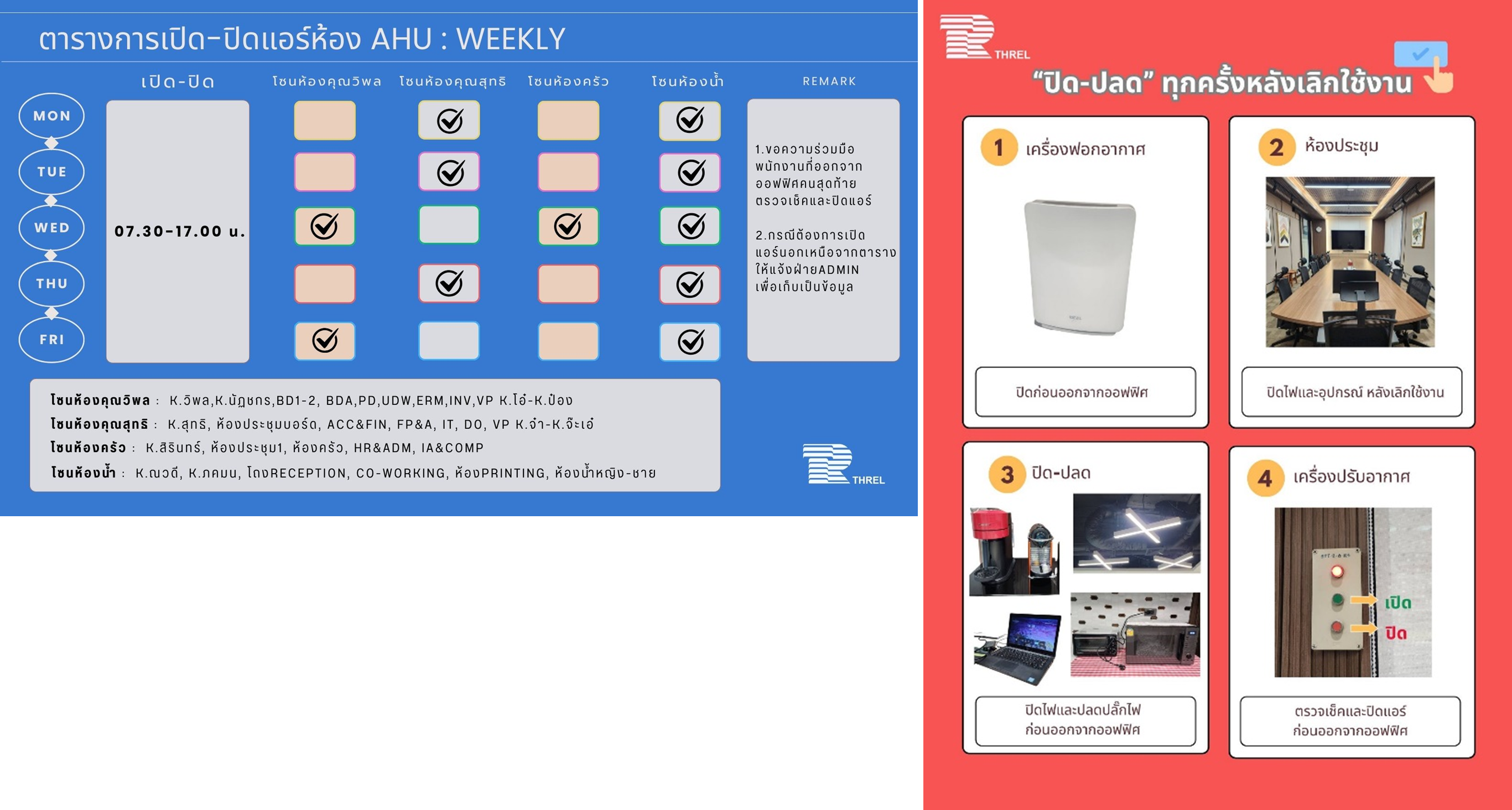
As a result, in 2025 the Company recorded an average electricity consumption of 5,585.75 kWh per month, decreasing from 6,869 kWh per month in 2024, representing a reduction of approximately 15%. In terms of electricity expenses, the Company recorded an average electricity cost of THB 27,628.71 per month, compared to THB 35,779.59 per month in 2024, reflecting a reduction of approximately 20%. This resulted in total electricity cost savings of THB 63,435.73 over the nine-month period, demonstrating the Company’s effective energy management and efficient use of resources.
Water — Plan & Guidelines
Has a Water Management Plan
Yes
Plan Description
The Company uses tap water in its business operations and has assigned the Office Administration Department, in collaboration with the building’s juristic person, to oversee water management, including water usage, water quality, and wastewater discharge standards, to ensure compliance with applicable legal requirements. In addition, the Company promotes the procurement and use of innovative and environmentally friendly products, such as water-efficient dispensing devices and sanitary fixtures. These include water-saving faucets, toilets, flow regulators for taps, and bidet spray attachments. Such measures help improve water-use efficiency and enable the Company to achieve greater water savings compared with conventional water fixtures.
Water — Withdrawal, Discharge & Consumption
Water Withdrawal, Discharge & Consumption
| Metric | Current Year | Previous Year | Two Years Ago | Remark |
|---|---|---|---|---|
| Total water withdrawal (Cubic meters) | 396 | 315 | 723 | |
| Total water withdrawal by third-party water (Cubic meters) | 396 | 315 | 723 | |
| Total water withdrawal by surface water (Cubic meters) | ||||
| Total water withdrawal by groundwater (Cubic meters) | ||||
| Total water withdrawal by seawater (Cubic meters) | ||||
| Total water withdrawal by produced water (Cubic meters) | ||||
| Percentage of wastewater treated before discharge (%) | ||||
| Total water discharge (Cubic meters) | ||||
| Total water discharge to third-party water (Cubic meters) | ||||
| Total water discharge to surface water (Cubic meters) | ||||
| Total water discharge to groundwater (Cubic meters) | ||||
| Total water discharge to seawater (Cubic meters) | ||||
| Total water consumption (Cubic meters) | 396 | 315 | 723 | The data for 2024 covers the period from April to December 2024 (9 months), as the Company relocated its office during the year. |
| Recycled water (Cubic meters) |
Water — Targets
Introduction
The Company has not yet established a formal target for water consumption management, as it recently relocated to a new office in April 2024. The Company is currently monitoring and collecting water consumption data to establish a baseline under the operating conditions of the new office. This base year information will be used to support the evaluation and development of appropriate water management targets in the future.
Has Set Targets
No
Water — Performance & Outcomes
Has Performance Results
Yes
Performance Description
Although water conservation measures in leased office premises may have certain limitations, the Company has implemented the following initiatives:
The Company places importance on efficient water use by regularly monitoring water consumption to reduce unnecessary usage. This is supported by promoting water-saving behavior among employees and installing water-saving devices in high-usage areas such as restrooms, pantries, and sink areas.
Collaboration with the building’s juristic person, along with regular inspections and reporting, helps ensure that water management maintains appropriate water quality and wastewater discharge standards in compliance with legal requirements. This also enables the timely resolution of potential drainage-related issues.
The Company conducts regular leak inspections and maintains water-saving equipment. These measures help identify and address inefficiencies in a timely manner, contributing to continuous reductions in water consumption over the long term.
Waste — Plan & Guidelines
Has a Waste Management Plan
Yes
Plan Description
The Company is committed to reducing waste generation and maximizing resource efficiency throughout its value chain in alignment with its environmental objectives. The Company adopts the Waste Hierarchy approach, prioritizing waste prevention as the first step, followed by reuse, recycling, and proper waste disposal. In addition, the Company promotes the principles of the Circular Economy by reducing the amount of waste sent to landfill and encouraging the recovery and reuse of resources to the greatest extent possible. Waste is segregated by type—such as paper, plastic, and food waste—to enhance recycling efficiency. These measures not only help reduce waste management costs but also generate positive environmental benefits.
Waste — Generation, Disposal & Recycling
Waste Generation, Disposal & Recycling
| Metric | Current Year | Previous Year | Two Years Ago | Remark |
|---|---|---|---|---|
| Total waste generated (Kilograms) | 1,445.26 | 734 | ||
| Non-hazardous waste (Kilograms) | 1,445.26 | 734 | ||
| Non-hazardous waste - Landfilling (Kilograms) | 1,445.26 | 734 | ||
| Non-hazardous waste - Incineration (with energy recovery) (Kilograms) | ||||
| Non-hazardous waste - Incineration (without energy recovery) (Kilograms) | ||||
| Non-hazardous waste - Other disposal operations (Kilograms) | ||||
| Hazardous waste (Kilograms) | 0 | 0 | The data for 2024 covers the period from April to December 2024 (9 months), as the Company relocated its office during the year. | |
| Hazardous waste - Landfilling (Kilograms) | ||||
| Hazardous waste - Incineration (with energy recovery) (Kilograms) | ||||
| Hazardous waste - Incineration (without energy recovery) (Kilograms) | ||||
| Hazardous waste - Other disposal operations (Kilograms) | ||||
| Total reused/recycled waste (Kilograms) | 126.15 | 86 | 71 | |
| Reused/Recycled non-hazardous waste (Kilograms) | 126.15 | 86 | 71 | |
| Reused non-hazardous waste (Kilograms) | ||||
| Recycled non-hazardous waste (Kilograms) | 126.15 | 86 | 71 | |
| Reused/Recycled hazardous waste (Kilograms) | 0 | 0 | 0 | |
| Reused hazardous waste (Kilograms) | ||||
| Recycled hazardous waste (Kilograms) |
Waste — Targets
Introduction
The Company has not yet established formal targets for waste and waste management, as it recently relocated to a new office in April 2024. The Company is currently monitoring and collecting data on waste and waste management in order to establish a baseline under the operating conditions of the new office. This base year information will be used to support the evaluation and development of appropriate waste management targets in the future.
Has Set Targets
No
Waste — Performance & Outcomes
Has Performance Results
Yes
Performance Description
Waste management: Waste Generation
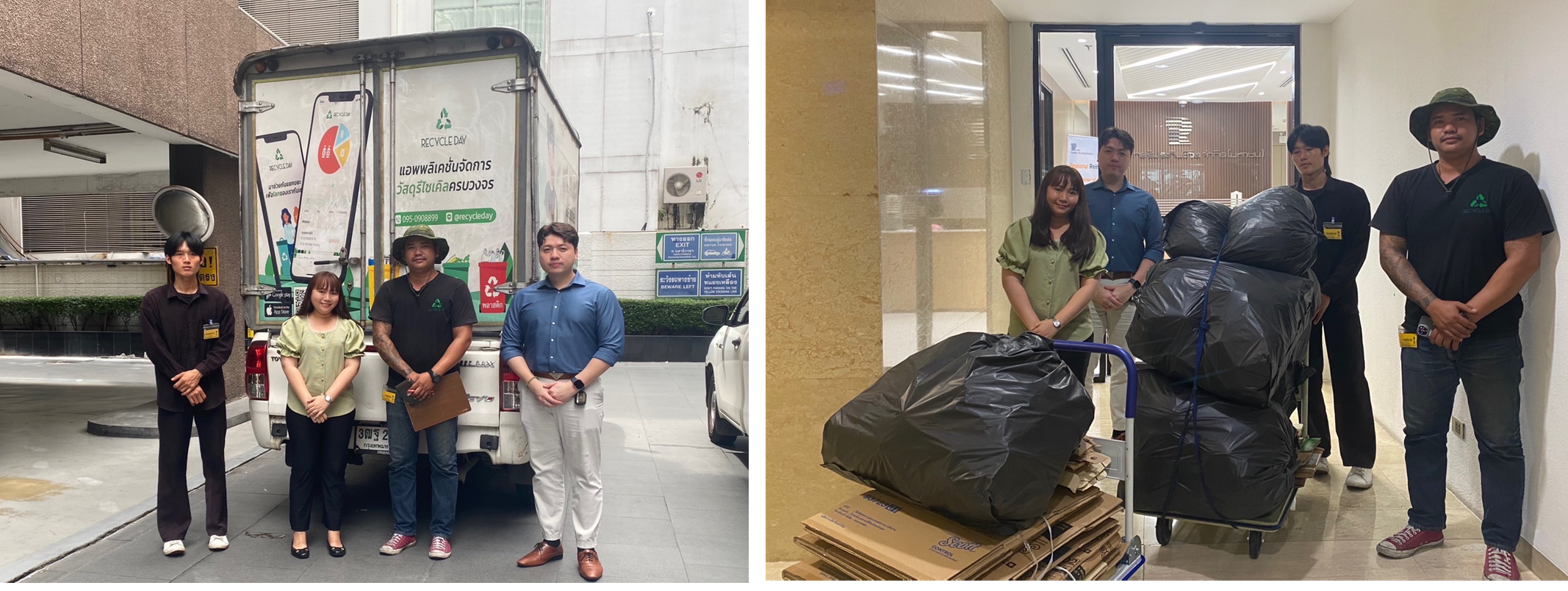
The Company places importance on the segregation of recyclable waste by systematically separating recyclable materials such as paper, plastic, aluminum cans, and glass bottles within the office premises. These materials are collected and delivered to the Recycle Day Platform, which promotes the proper recovery and recycling of resources. Participation in this platform enhances the efficiency of the Company’s waste management by reducing the volume of waste sent for disposal or landfill, supporting the reuse of valuable resources, and minimizing environmental impacts. In addition, it helps raise employee awareness and encourages greater participation in waste segregation and responsible resource use. In 2025, the Company delivered a total of 126.15 kilograms of recyclable waste to the recycling program.
Food Waste
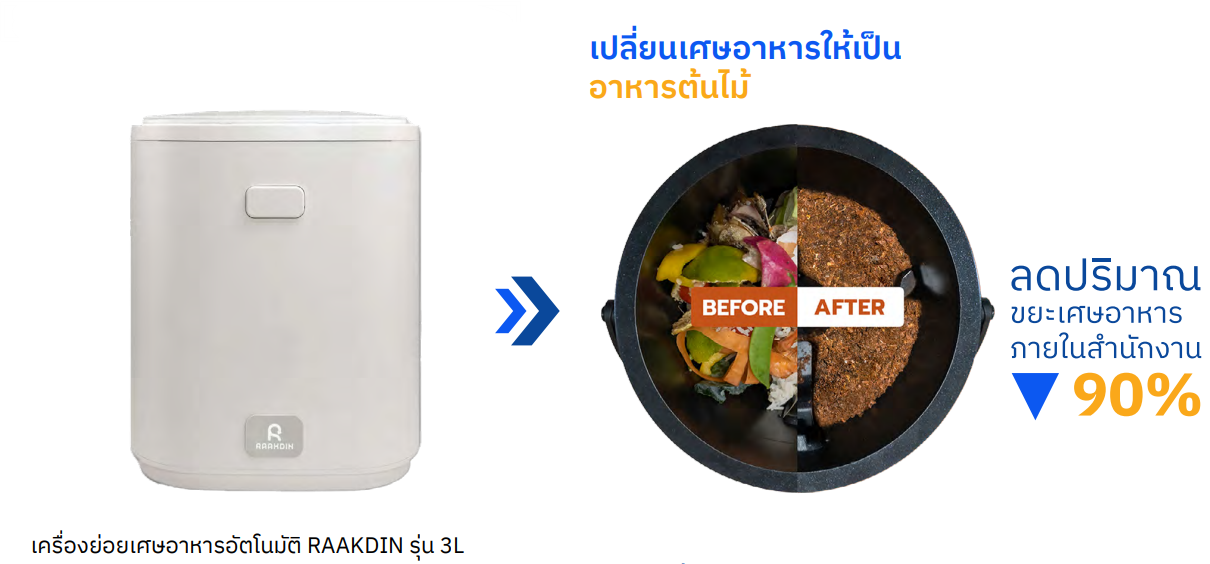
The Company also places importance on managing food waste by converting leftover food into natural fertilizer. A food waste decomposer machine has been introduced within the office to reduce the volume of waste sent for disposal or landfill and to lower waste management costs. The resulting material can be reused as fertilizer for plants in the office’s green areas.
Environmental Quality Monitoring
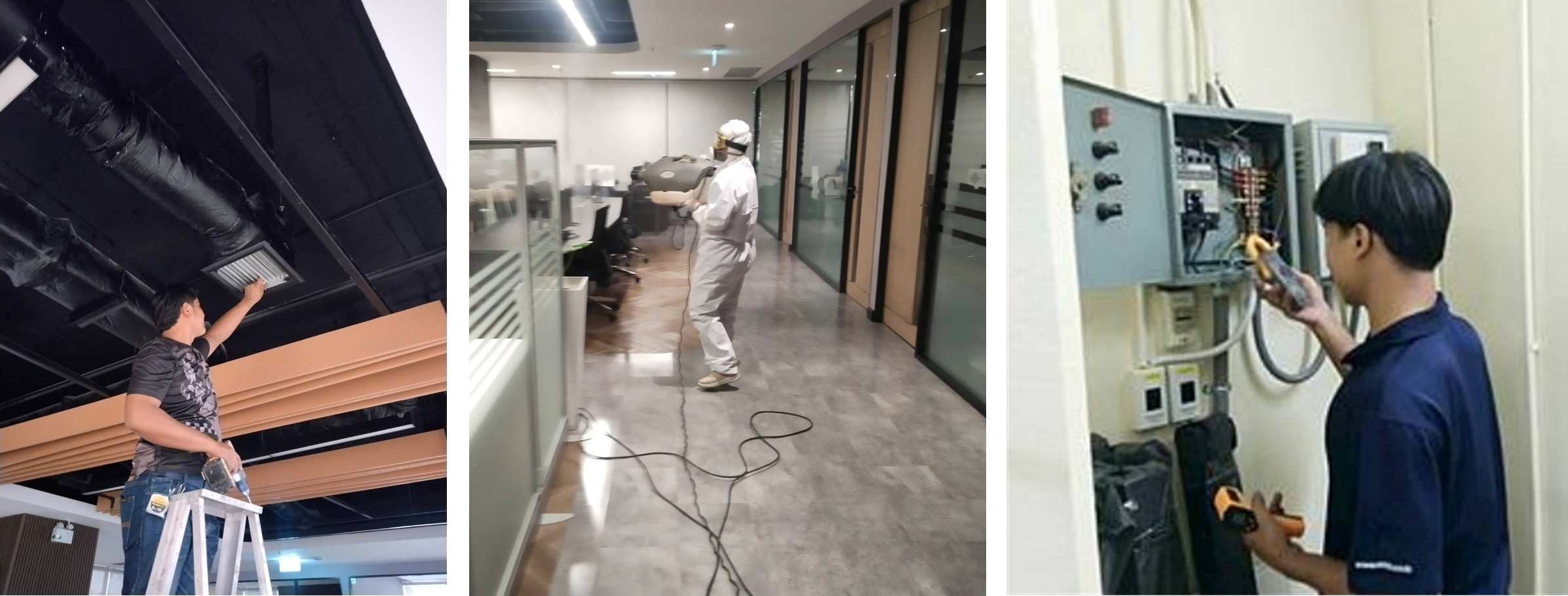
The Company conducts environmental quality monitoring within the office and surrounding operational areas at least once a year. In 2025, the results indicated that air quality, odor levels, noise levels, and lighting conditions were all within the legal standards. No incidents of chemical leakage from the Company’s operations were reported.
GHG — Plan & Guidelines
Has a GHG Management Plan
Yes
Plan Description
Although the Company’s business operations do not directly generate significant greenhouse gas (GHG) emissions compared to other industries, the Company remains committed to conducting its business in a manner that supports the reduction of greenhouse gas emissions through environmentally friendly measures. These include supporting carbon offset activities, such as encouraging employees to use public transportation, reducing paper consumption in business operations, and increasing the use of electronic meetings. The Company has also collected data on its organizational carbon footprint and calculated greenhouse gas emissions generated from various business activities. The Company has engaged Carbon Smith Co., Ltd. as a consultant to provide guidance and review the data used in preparing the Company’s greenhouse gas emissions report. The Company expects to have its Carbon Footprint for Organization (CFO) verified by an accredited verifier from the Thailand Greenhouse Gas Management Organization (Public Organization) in 2026. This timeline reflects the Company’s relocation to a new office in April 2024. Currently, the Company is in the process of monitoring and collecting greenhouse gas emissions data in order to establish a base year under the operating conditions of the new office. This information will be used to support the evaluation and development of appropriate greenhouse gas management targets and plans in the future.
In addition, the Company is studying the adoption of the Task Force on Climate-related Financial Disclosures (TCFD) and IFRS S2 Climate-related Disclosures frameworks. These frameworks cover governance, strategy, risk management, as well as metrics and targets related to climate change. The adoption of these approaches will help align the Company’s climate-related strategies with international best practices while enhancing accountability and transparency.
GHG — Emissions
GHG Emissions
| Metric | Current Year | Previous Year | Two Years Ago |
|---|---|---|---|
| Total GHG emissions (Metric tonnes of carbon dioxide equivalent) | 100.95 | 92.19 | 54 |
| Total greenhouse gas emissions 1 (Metric tonnes of carbon dioxide equivalent) | 10.27 | 9.08 | 5 |
| Total greenhouse gas emissions 2 (Metric tonnes of carbon dioxide equivalent) | 31.84 | 30.9 | 40 |
| Total greenhouse gas emissions 3 (Metric tonnes of carbon dioxide equivalent) | 58.84 | 52.21 | 9 |
GHG — Emissions Verification
Emissions Verified by a Third Party
No
GHG — Principles & Standards
Principles & Standards Applied
| Standard |
|---|
| 2671 |
GHG — Targets
Has Set GHG Targets
No
GHG — Performance & Outcomes
Has Performance Results
Yes
Performance Description
In 2025, the Company’s greenhouse gas (GHG) emissions arising from various activities covered Scopes 1–3, as detailed below.
Environmental Legal Incidents
Legal Violation Incidents
| Metric | Current Year | Previous Year | Two Years Ago |
|---|---|---|---|
| Number of cases or incidents of legal violations or negative environmental impact (cases) | 0 | 0 | 0 |
Other Environmental Management
Plan Description
Sustainable Paperless Office Initiative
In the Company’s business operations, paper is considered an essential consumable material used in various processes, including financial transactions, internal documentation, and communication with customers (life insurance companies), business partners, and other stakeholders. These communications may take various forms such as circular letters, receipts, contractual documents, and underwriting consideration documents. The Company recognizes that paper production requires significant natural resources. Therefore, the Company strives to manage resources efficiently by increasingly adopting digital innovations to reduce paper consumption and minimize environmental impacts. This is achieved through implementing digital workflows and storing documents electronically within the Company’s computer systems instead of maintaining paper-based records. At the same time, the Company continuously improves its operational systems to enhance efficiency and reduce operating costs. The Company also monitors the procurement and usage of A4 paper as well as the volume of photocopying activities, as summarized below.
A4 Paper in Operations | Unit : Reams | |
2024 | 2025 | |
A4 Paper | 50 | 50 |
Photocopier Usage | Unit : Sheets | |
2024 | 2025 | |
Photocopier Usage | 32,528 | 41,779 |
Based on the above data, in 2025 the Company recorded an average photocopier usage of 3,481.58 sheets per month, decreasing from 3,614.22 sheets per month in 2024, representing an approximate 4% reduction. This reflects the effectiveness of the Paperless Office initiative, which helps reduce paper consumption and supports environmentally responsible business operations.
Human Rights Due Diligence
Conducts Human Rights Due Diligence
Yes
Due Diligence Description
Human Rights Due Diligence Process
To align operations with international human rights risk assessment standards, the company continuously reviews and improves its operational guidelines alongside conducting Human Rights Risk Assessments. These assessments help evaluate risks and establish control measures or mitigation strategies to address human rights risks. The company has set a policy to conduct human rights risk assessments every three years (starting in 2024) to effectively assess and implement appropriate risk management measures for both direct and indirect human rights impacts arising from business operations.
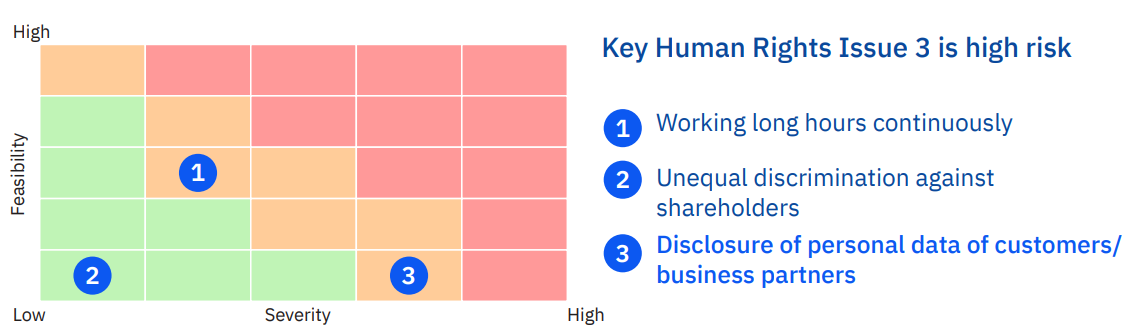
Key High-Risk Issue: Disclosure of personal data of customers and business partners
Potential Impacts: This may cause damage to information technology systems and could lead to theft, loss of the Company’s data, or inadequate practices in data handling. Such risks may arise from improper processes in the collection, storage, transmission, encryption, retrieval, and deletion of data, as well as the misuse of customer information. These incidents could potentially result in violations of human rights.
Mitigation Measures: The Company has established policies and guidelines for personal data protection to safeguard customer information. These include the Customer Privacy Policy, Information Security and Cybersecurity Risk Management Policy, Access Control Policy, and the Information and Cybersecurity Incident Response Plan. The personal data management system is integrated into the Company’s enterprise-wide risk management framework.
Monitoring and Reporting: The Company provides channels for stakeholders to report potential human rights violations. In addition, processes have been established to investigate such cases and enforce disciplinary measures, prevention, mitigation, and remediation in accordance with the Company’s relevant policies and regulations. The Company is also committed to continuously communicating and promoting awareness among stakeholders regarding human rights issues.
Prevention, Mitigation, and Remediation of Impacts: In the event of a human rights violation, the Company is committed to implementing appropriate corrective and remedial actions. The Company also regularly reviews its human rights practices to ensure that human rights management remains effective throughout the entire value chain.
In 2025, the Company received no complaints or reported cases related to human rights violations (0 cases).
Employees — Plan & Guidelines
Has an Employee Management Plan
Yes
Plan Description
Employment
The Company systematically plans and manages its workforce to enhance efficiency and maximize benefits. Recruitment is carried out both internally and externally as necessary to meet business needs. The Company places importance on the qualifications, capabilities, and readiness of employees to ensure alignment with departmental requirements, while also considering compensation at appropriate levels in line with industry standards. The Company’s recruitment process is communicated through various channels, such as the Company’s website, job recruitment platforms, and the Friend Get Friend referral program, which allows employees to recommend qualified candidates to join the organization. To ensure a diverse and suitable pool of applicants, the Company prioritizes internal candidates for new or replacement positions. If suitable candidates cannot be identified internally, the Company will then proceed with external recruitment.
For employee resignations in 2025, the Company conducted Exit Interviews with all departing employees. These interviews were carried out directly by the Human Resources Department to gather feedback and insights, which are then analyzed to improve personnel management and organizational development throughout the year.
The Company maintains a transparent and fair recruitment process by considering applicants based on qualifications, competencies, experience, knowledge, skills, and potential relevant to the position. Decisions are not influenced by factors unrelated to job performance, such as place of origin, race, gender, gender identity, religion, beliefs, political views, social status, family background, or other non-work-related factors. Furthermore, the Company promotes diversity and equal labor practices (Equity & Inclusion) by respecting human rights and rejecting all forms of discrimination and harassment. Gender, gender identity, or ethnicity are not considered barriers to employment opportunities. The Company also encourages employees to express their individuality appropriately, provided that it does not affect the organization’s operations.
In addition to complying with labor laws, the Company places importance on employee welfare and the well-being of employees who experience health-related challenges. Employees are given the opportunity to request adjustments to their roles and responsibilities in accordance with their capabilities and working capacity, in order to minimize health impacts. This approach enables employees to continue performing their duties effectively while maintaining a better quality of life.
Employee Development
The Company places significant importance on the systematic development of employees’ capabilities in order to enhance work performance, respond effectively to the evolving business environment, and support the organization’s sustainable growth. The Company conducts Training Needs Analysis through multiple dimensions, including consideration of job roles and position levels, individual performance evaluations, competency assessments, as well as an analysis of business trends, regulatory developments, and technological changes. This approach ensures that employee development programs are appropriate, aligned with job responsibilities, and supportive of the Company’s strategic direction.
The Company has established clear objectives for employee development, aiming to ensure continuous improvement in both the quantity and quality of employee training and development. This includes setting targets for the average number of training hours per employee per year, as well as developing essential skill sets required for job performance and career progression. These skill sets encompass technical skills, leadership and management skills, and soft skills, particularly empathy, communication, and teamwork, in alignment with the Company’s corporate culture and its goal of becoming a High Performance Organization (HPO).
Succession Planning
The Company places importance on organizational continuity and workforce readiness for key positions. In 2025, the Company systematically developed Critical Position Profiles, which serve as an important reference framework for succession planning, talent identification, and the design of development plans for potential successors. For internal succession planning, the Company identifies high-potential employees based on the Critical Position Profiles, which cover the required knowledge, capabilities, experience, and competencies necessary for key organizational roles. This process enables the Company to assess employees’ readiness and potential to assume higher responsibilities in the future. The succession plan is designed to address potential vacancies arising from promotions, transfers, resignations, retirement, or other circumstances, ensuring that the Company’s operations remain continuous and uninterrupted.
For the recruitment and selection of senior executives, the Company emphasizes qualifications in education, knowledge, skills, expertise, and relevant work experience. Recruitment and selection processes at all levels are conducted through appropriate, transparent, and auditable procedures to ensure that the Company acquires capable personnel who can drive the Company’s strategic direction and support long-term sustainable growth.
Performance Evaluation System
The Company has established a Performance Evaluation Model as a key mechanism to drive the achievement of its business objectives. The system serves as an important tool for communicating and aligning organizational goals with departmental objectives and individual employee performance targets. This ensures that all employees work in the same direction and remain aligned with the Company’s overall strategic goals. A clear and structured performance evaluation system enables the Company to measure and assess employee performance fairly and transparently. The Company therefore emphasizes the development and communication of performance evaluation guidelines to ensure that all employees understand and apply them effectively in their work. An effective performance evaluation system also encourages employees to remain committed to continuous self-development and helps foster a performance-driven culture that supports the organization’s collective success.
Plan Areas
| Plan Area |
|---|
| Fair employee compensation |
| Employee training and development |
| Promoting employee relations and participation |
| Occupational health and safety in workplace |
Employees — Workforce
Employees with Disabilities — Introduction
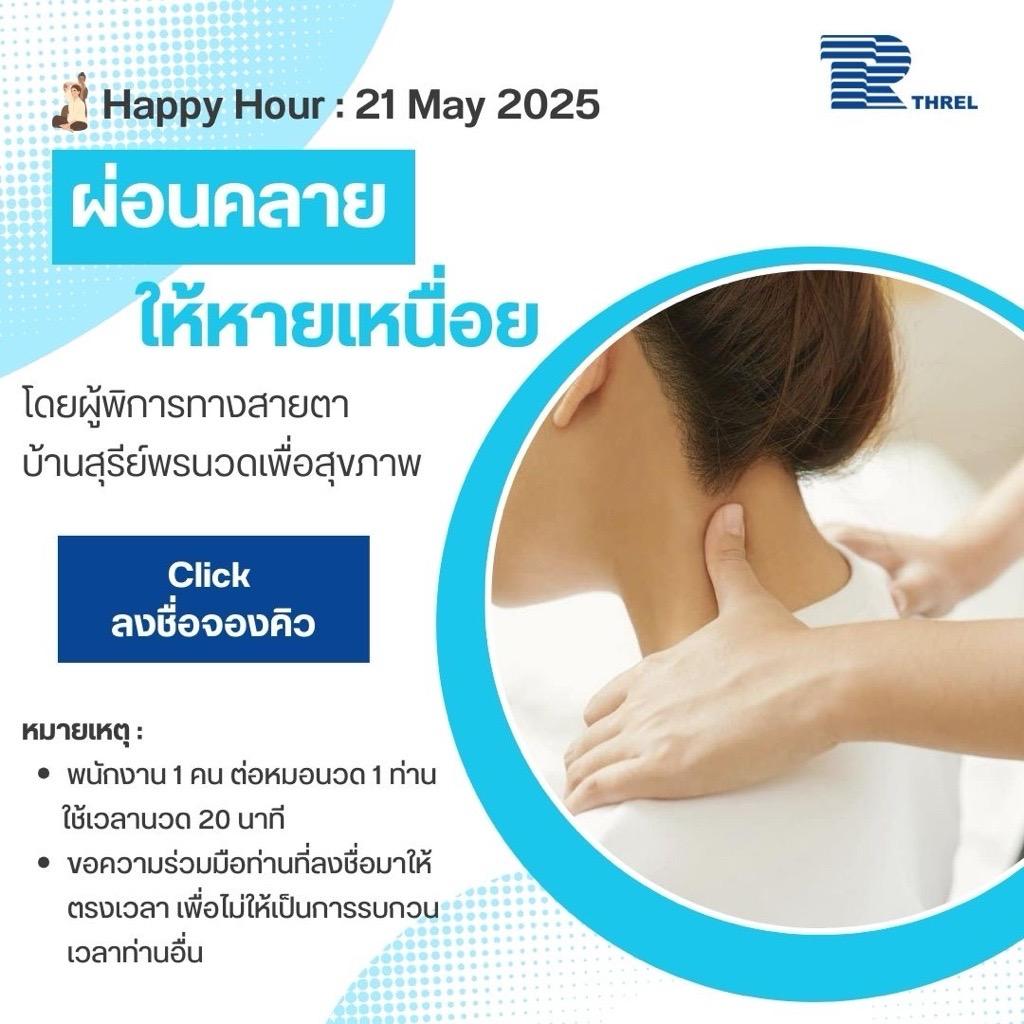
Although the Company’s number of employees does not meet the legal threshold requiring the employment of persons with disabilities or contributions to the Fund for the Empowerment of Persons with Disabilities, the Company recognizes the importance of promoting equal employment opportunities and social inclusion for persons with disabilities. The Company therefore supports the employment of persons with disabilities by engaging them to provide relaxation massage services for employees within the organization. This initiative helps create employment opportunities and generate income for persons with disabilities while also promoting employee well-being and a healthy workplace environment.
Workforce Data
| Metric | Current Year | Previous Year | Two Years Ago |
|---|---|---|---|
| Total number of employees (Persons) | 49 | 50 | 55 |
| Number of male employees (Persons) | 14 | 13 | 16 |
| Number of female employees (Persons) | 35 | 37 | 39 |
| Total employment of disabled persons (people) | 0 | 0 | 0 |
| Total disabled employees (people) | 0 | 0 | 0 |
| Total male disabled employees (people) | |||
| Total female disabled employees (people) | |||
| Total disabled workers who are non-employee (people) | 0 | 0 | 0 |
| Contributions to the fund for promoting and improving the quality of life for disabled persons | 0 | 0 | 0 |
| Total number of male employees in operational level (Persons) | 9 | 8 | 10 |
| Total number of male employees in management level (Persons) | 4 | 4 | 4 |
| Total number of male employees in executive level (Persons) | 1 | 1 | 2 |
| Total number of female employees in operational level (Persons) | 25 | 24 | 25 |
| Total number of female employees in management level (Persons) | 6 | 9 | 10 |
| Total number of female employees in executive level (Persons) | 4 | 4 | 4 |
Employees — Remuneration & Provident Fund
Remuneration & Provident Fund
| Metric | Current Year | Previous Year | Two Years Ago | Remark |
|---|---|---|---|---|
| Total disabled employees (people) | 103,310,212.02 | 105,458,422.92 | 95,565,428.55 | In 2024, retirement benefits will be paid to two employees, both male and female, who retire at age. |
| Total male employee remuneration (Baht) | 28,054,390.68 | 35,126,415.43 | 27,739,286.67 | |
| Total female employee remuneration (Baht) | 75,255,821.34 | 70,332,007.49 | 67,826,141.88 | |
| Number of employees eligible to participate in PVD (persons) | 49 | 50 | 55 | |
| Total number of employees joining employee provident fund (Persons) | 49 | 48 | 53 | |
| Percentage of total number of employees joining employee provident fund to total number of employees (%) | 100 | 96 | 96.36 | |
| Number of PVD members / Total eligible employees (%) | 100 | 96 | 96.36 | |
| Total amount of provident fund contributed by the Company (Baht) | 5,624,452 | 5,893,327 | 5,779,224 | |
| Total amount of provident fund contributed by employee (baht) | 7,345,748 | 7,477,029 | 6,916,905 |
Employees — Training & Development
Training Data
| Metric | Current Year | Previous Year | Two Years Ago |
|---|---|---|---|
| Average employee training hours (Hours / Person / Year) | 58.5 | 62.5 | 69 |
| Employee development and training expenses (baht) | 2,835,279.18 | 1,304,900.77 | 841,840.04 |
Employees — Occupational Health & Safety
Occupational Health & Safety Data
| Metric | Current Year | Previous Year | Two Years Ago |
|---|---|---|---|
| Total number of lost time injury incidents by employees (Cases) | 0 | 0 | 0 |
Employees — Labour Relations
Labour Relations Data
| Metric | Current Year | Previous Year | Two Years Ago |
|---|---|---|---|
| Total voluntary resignations (Persons) | 4 | 11 | 7 |
| Male employees who voluntary resigned (Persons) | 0 | 3 | 2 |
| Female employees who voluntary resigned (Persons) | 4 | 8 | 5 |
| Percentage of employee turnover leaving the Company voluntarily (%) | 8.16 | 22 | 12.73 |
| Evaluation result of employee engagement | 1 | 1 | 1 |
Employees — Employee Representation
Employees Are Represented Collectively
Yes
Forms of Representation
| Form |
|---|
| Welfare committee |
Employees — Targets
Has Set Employee Targets
Yes
Targets
| Indicator | Target Areas | Base Year | Base Year — Description | Target Year | Target Year — Description |
|---|---|---|---|---|---|
| - Average training hours / employee / year | 2984 · Description: Employee training and development | 2,025 | - Average training hours / employee / year: > 60 hours | 2,027 | - Average training hours / employee / year: > 80 hours |
| Employee engagement score | 2985 · Description: Promoting employee relations and participation | 2,023 | Employee engagement score of ≥ 80% | 2,027 | Employee engagement score of ≥ 88%, or recognition as a Best Employer by a nationally or internationally recognized institution. |
| Successor Development Plan Implementation Rate (%) | 2984 · Description: Employee training and development | 2,025 | Successors completed their development plans at 100%. | 2,027 | Succession Readiness Rate (3–5 years readiness): ≥ 50% |
Employees — Performance & Outcomes
Has Performance Results
Yes
Performance Description
In 2025, the Company employed a total of 49 employees. During the year, employees participated in 250 training programs, representing approximately 2,867 total training hours, or an average of 58.5 training hours per employee. The training programs covered a wide range of knowledge areas and skill sets, including professional and job-specific knowledge, innovation and Design Thinking, the application of digital technologies and Artificial Intelligence (AI) in the workplace, as well as leadership development and programs designed to enhance the capabilities of potential successors.
The Company places strong emphasis on systematically monitoring and evaluating the outcomes of employee training and development programs. The effectiveness of such programs is assessed based on improvements in employees’ work behaviors and skills, as evaluated by supervisors, individual performance results, and the ability of employees to apply the knowledge and skills gained from training to their daily work. These efforts contribute to improved operational efficiency, reduced errors, and enhanced overall quality of work.
The Company utilizes the results of performance evaluations as a basis for determining employee compensation across the organization, including salary adjustments, bonuses, and promotions, in order to ensure fairness and create motivation in the workplace. In addition, the Company conducts performance reviews every six months, allowing employees to understand their level of achievement and plan further personal development in alignment with the Company’s objectives. In 2025, 100% of the Company’s employees underwent performance evaluations.
At the organizational level, the implementation of employee capability development programs, particularly for Talent Pool and Successor groups, serves as a key mechanism to ensure management continuity, reduce the risk of talent shortages in critical positions, and support the long-term retention of high-potential employees. The Company uses information from performance evaluations and development monitoring as part of the process to assess the effectiveness of its development programs and continuously improve development plans. These efforts enhance the Company’s competitiveness and support the achievement of its long-term strategic objectives.
For employees selected as Candidate Successors in 2025, the Company conducted Assessment Tests to evaluate competencies required for future leadership roles. The assessment results were used as inputs for the development of Individual Development Plans (IDP) and the design of structured development activities. Furthermore, during the past year, the Company enhanced the capabilities of its Successor group through experiential learning, by assigning project-based assignments that allowed potential successors to participate in the design and development of new products. This initiative not only strengthened participants’ strategic thinking, cross-functional collaboration, and project management skills, but also generated tangible outcomes that could be applied to support the Company’s operations and organizational growth.
Customers — Plan & Guidelines
Has a Customer Management Plan
Yes
Plan Description
Customer Responsibility
The Company ensures that its business operations are conducted in accordance with the Code of Ethics and Conduct, while maintaining appropriate professional standards in dealing with customers. The Company is committed to treating customers fairly and without discrimination, while promoting long-term and sustainable relationships. The key principles are summarized as follows:
Treat customers fairly and without discrimination, and avoid any inappropriate conduct.
Strictly comply with contractual obligations and provide reliable, high-quality services in accordance with the Company’s standards.
Provide services with courtesy and professionalism while fostering sustainable and positive relationships between the Company and its business partners.
Do not disclose customer information obtained in the course of business operations, which should normally be treated as confidential.
Provide consultation, advice, and assistance on matters related to the Company’s business where appropriate.
Continuously improve and maintain service standards to effectively and promptly meet customer needs.
Participation in Product Design and Development for Society
Through its policy of exploring market opportunities together with life insurance partners and customers, the Company continuously studies consumer needs in order to develop and offer a diverse range of life insurance products through new marketing channels. This enables life insurance companies to create valuable products that contribute to society and enhance the Quality of Society, supporting the sustainable growth of Thai society. The Company’s development process includes the following key steps:
Analyzing the strengths of each client and proposing joint product development opportunities with strong growth and profitability potential. Examples include advantages from partners or shareholders, strong distribution channels that enable access to target customer groups, and the strengths of the client’s team.
Analyzing underwriting results of products previously developed with clients in order to improve product suitability for the market and identify profitable products for further business development.
Initiating an Innovation Project as part of the Company’s risk management policy, which focuses on identifying products that have not previously existed in the market or products that the Company has not previously developed but show promising profitability potential, while ensuring that risks remain at acceptable levels.
Monitoring sales trends through electronic and digital channels as well as emerging distribution channels in order to develop suitable products and sales approaches for customers.
Customer Relationship Enhancement
In addition to its core business operations, the Company also undertakes activities that benefit the life insurance industry as a whole. With more than 20 years of experience in the life insurance business, the Company leverages its expertise and deep understanding of customer needs to share industry knowledge with clients through both direct and indirect channels.
This includes applying such knowledge in the development and presentation of new products and services, as well as organizing seminars and knowledge-sharing activities on life insurance, medical technology, and health. The Company believes that providing knowledge on life insurance enables customers to better understand and manage risks appropriately, thereby creating maximum benefits and supporting the Company’s sustainable business growth in the long term.
In 2025, the Company organized seminars and knowledge-sharing activities in both onsite and online formats, which received strong interest from participants. These activities included academic seminars for clients in the life insurance industry and events that allowed the general public to access knowledge related to health and life insurance. Participants were able to apply this knowledge in both their professional and personal lives. More information on past seminars can be found at: https://www.thairelife.co.th/th/our-services-research-event.php
Customer Personal Data Protection
The Company’s core business involves life reinsurance, which operates primarily on a business-to-business (B2B) basis. The Company does not interact directly with policyholders. However, in certain circumstances where individuals who are personal data owners participate in marketing or promotional activities jointly organized by the Company and/or its business partners—such as campaigns, activities, or privileges provided through websites, applications, or platforms used for marketing communications—the Company may collect, use, or disclose personal data directly from data subjects in accordance with Section 19 of the Personal Data Protection Act (PDPA), or may obtain personal data indirectly through business partners in accordance with Section 27 paragraph two of the PDPA.
Given the increasing volume of data processed, used, and stored by organizations, risks related to information security and cyberattacks have become more frequent and severe. As a result, regulatory authorities have strengthened requirements and enforcement related to personal data protection and information technology regulations. To ensure effective personal data protection management and compliance with applicable laws, while fostering a company-wide culture that prioritizes personal data protection, the Company implemented the following key measures in 2025:
Reviewing and improving policies and guidelines related to data governance, data management, and information security to ensure alignment with operational practices and evolving regulatory requirements.
Preparing and reviewing data inventories for both electronic and non-electronic data across all departments in order to classify data types, assess data risks related to collection, use, and disclosure, and determine appropriate security controls according to risk levels.
Requiring employees to provide consent for the collection of sensitive personal data where applicable.
Conducting personal data processing surveys to review the collection, use, and disclosure of personal data, with annual reviews.
Requesting relevant departments to update contractual documents to ensure that contracts containing personal data protection provisions are properly identified and updated whenever agreements are signed, including related processes such as personal data contractual procedures and data subject rights request forms.
Maintaining Records of Data Processing Activities (ROPA).
Providing training and knowledge assessments for all employees to ensure understanding of personal data protection requirements. Employees must achieve a test score of at least 70% in order to pass the assessment.
Plan Areas
| Plan Area |
|---|
| Responsible production and services for customers |
| Communication of product and service impacts to customers/consumers |
| Development of customer satisfaction and customer relationship |
| Protection of customer personal information |
Customers — Satisfaction Results
Customer Satisfaction Results
| Metric |
|---|
| Evaluation results of customer satisfaction |
Customers — Targets
Has Set Customer Targets
No
Customers — Performance & Outcomes
Has Performance Results
Yes
Performance Description
In 2025, the Company did not receive any complaints related to the security of customers’ personal data.
Community & Social — Plan & Guidelines
Has a Community & Social Plan
Yes
Plan Description
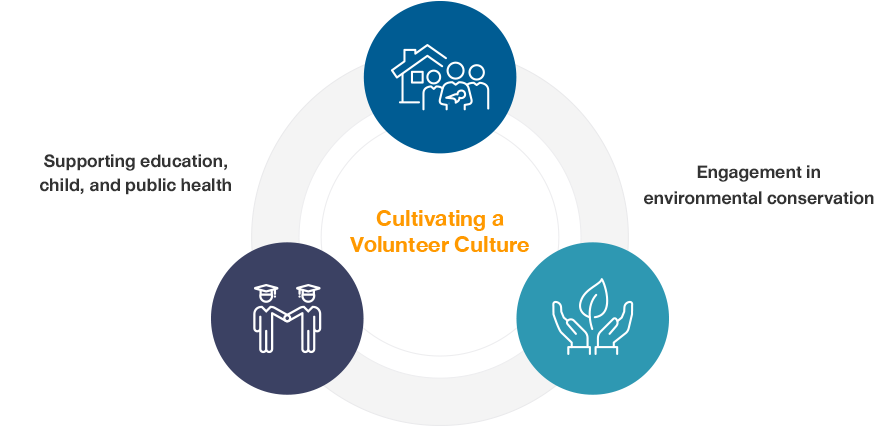
Encouraging and promoting volunteer activities among employees serves as a driving force for advancing various public benefit missions. The company actively supports employees in dedicating their time to public service, fostering values of helping others, strengthening unity, and instilling a sense of social responsibility among staff. The company focuses on social activities that form the foundation of national development, specifically in the fields of education and public health, disaster relief, and environmental conservation. Each year, approximately 50% of employees participate in various volunteer activities.
Plan Areas
| Plan Area |
|---|
| Education |
| Forests and natural resources |
| Occupational health, safety, health, and quality of life |
| Reducing inequality and promoting social equality |
Community & Social — Targets
Has Set Community & Social Targets
No
Community & Social — Performance & Outcomes
Has Performance Results
Yes
Performance Description
In 2025, employees actively participated in volunteer activities, with a total of two activities organized during the year, as follows:
Blood Donation Activity : Employees participated in a blood donation activity in celebration of the 24th National Life Insurance Day in 2025, held at the National Blood Centre, Thai Red Cross Society, Henri Dunant Road, Bangkok. The activity was led by Mr. Vipon Vorasowharid, Managing Director, together with the Company’s employees. The initiative aimed to encourage employees to take part in charitable activities and contribute to society by sharing kindness and support through blood donation. The event set a target of mobilizing at least 15,000 blood donors nationwide, both in central and regional areas, with an expected blood collection volume of approximately 6,000,000 cc, to support medical treatment and emergency needs, where blood supply remains continuously in demand.
Marine Conservation Activity : Recognizing the importance of marine resource conservation, the Company organized a Corporate Social Responsibility (CSR) activity under the Sustainability principle by conducting a crab release activity in collaboration with the Ang Sila Small-scale Fishermen Group. The initiative aimed to help increase marine animal populations, restore marine ecosystems, and support the resilience of local fishing communities. This activity aligns with the Sustainable Development Goals (SDG 14: Life Below Water).
A total of 40 employees, representing 80% of the Company’s workforce, participated in the activity titled “Crab Release for Nature Restoration” at the Blue Swimming Crab Bank of the Ang Sila Small-scale Fishermen Group on 21 November 2025. This activity reflects the Company’s commitment to creating shared value between the organization, communities, and the environment, while supporting the sustainable conservation of marine resources.
Law Violation Incidents
Law Violation Incidents
| Metric | Current Year | Previous Year | Two Years Ago |
|---|---|---|---|
| The total number of cases or incidents of significant violations of laws or regulations regarding social and human rights (Cases) | 0 | 0 | 0 |
| The total number of cases or incidents that cause significant labor disputes (Cases) | 0 | 0 | 0 |
| The total number of cases or complaints related to consumer rights violations (Cases) | 0 | 0 | 0 |
| The total number of cases or complaints related to partner rights violations (Cases) | 0 | 0 | 0 |
| The total number of cases or incidents that cause disputes with the community/society (Cases) | 0 | 0 | 0 |
| The total number of cases or incidents related to cyber security or customer data breaches (Cases) | 0 | 0 | 0 |
| The total number of cases or incidents related to safety and occupational health at work (Cases) | 0 | 0 | 0 |